
Prototyping Custom Plastic Components: What OEM Engineers Should Expect
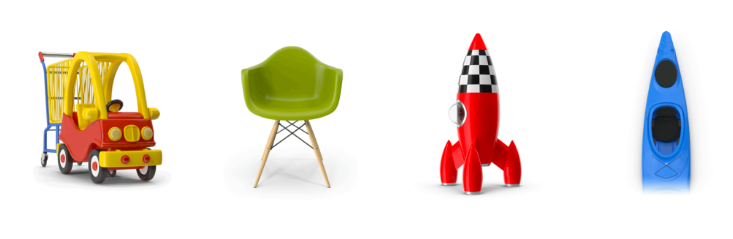
A new component idea usually starts as a sketch, a CAD file, or a half-formed requirement from a customer who needs something that doesn’t exist yet. Getting from that idea to a part you can actually hold, test, and sign off on is where a lot of OEM sourcing decisions either build confidence or lose it. In our lab, that journey starts long before anything gets molded.
Summary
We’re the mad scientists of rotational molding, and we approach new component development as a three-step path: schedule a call, get a quote, build a prototype. If you’re an OEM engineer evaluating a rotomolding partner, knowing what happens at each of those steps, and what to bring into the lab with you, makes the difference between a smooth build and a stalled one. Here’s what to expect when you prototype a custom rotomolded component with us, from the first conversation through a part in hand.
The First Conversation Matters More Than It Looks
Before a prototype exists, there’s a conversation, and that’s exactly where we want it to start. Our process begins with a call to talk through whether you have a finished product idea or something still bubbling in a beaker. This isn’t a formality. Rotational molding has its own rules around wall thickness, draft angles, and part geometry, and catching a design issue in this conversation is a lot cheaper than catching it after a mold is cut.
Engineers who come to this call with a clear picture of the part’s function, its operating environment, and any dimensional constraints tend to move faster through the steps that follow. We never say no to an idea, and we’d rather take on a custom, unusual request than steer every project toward a standard catalog shape. So this is the point to bring the odd geometry or the “can you even make this” idea into the lab instead of simplifying it before you ask.
Getting a Quote (RFQ): What It Actually Covers
Once the concept is clear enough to price, the next step is a request for quote. We keep this part direct: get a quote, then move to building. As an OEM engineer, an RFQ for a custom rotomolded part is where design intent turns into a real cost and timeline conversation. That means whatever assumptions were made in the first call, whether about volume, tooling ownership, or finish requirements, get tested against an actual number.
This step is also where a purchasing or operations lead typically gets pulled in alongside engineering. We work as a guide for procurement and purchasing leaders navigating tooling investment and supplier selection, not just as an engineering resource.
Building the Prototype
With a quote in place, the experiment moves from the whiteboard to the workbench. This is the stage where design assumptions get tested against a physical part. Wall thickness that looked fine on a drawing either performs the way it needs to, or it doesn’t. Fit and function against mating components either work, or reveal a change that needs to happen before tooling for production.
We build our value around speed and efficiency paired with personalized, collaborative service. We think like an extension of your own team, not a vendor working from a spec sheet in isolation. If you’re managing a new build timeline, that collaborative posture during the prototype stage is often what determines whether issues get caught and resolved quickly or discovered late, after the mold is already cut.
What to Bring Into the Lab
A few things consistently make the path from RFQ to prototype smoother, based on how we structure our own process:
- A clear statement of the part’s function and operating environment, not just its dimensions
- Any known constraints around volume, tooling ownership, or timeline before the RFQ stage
- Willingness to discuss unconventional geometry directly rather than pre-simplifying the design before it ever reaches the lab
Where This Fits in a Larger Sourcing Decision
If you’re an aerial lift OEM or a similar equipment manufacturer, a single custom component is rarely a one-time purchase. It’s the start of a relationship that may run for years across multiple builds and part revisions. We build our engagement model around exactly this kind of long-term, end-to-end rotomolding partnership rather than a single transactional order, which is worth weighing against the prototype experience itself when you’re evaluating a supplier for a new equipment line.
FAQ
What is the first step in getting a custom rotomolded component made? Our process begins with a call to discuss whether you have a finished product idea or a concept still in development, before any quote or prototype work starts.
What does an RFQ for a custom plastic component typically involve? An RFQ turns a design concept into pricing and timeline specifics, and is usually the point where both engineering and purchasing get involved in reviewing tooling, volume, and finish requirements.
How long does prototyping take? Our process runs through schedule a call, get a quote, and build a prototype as sequential steps, though the specific timeline depends on part complexity and is best confirmed directly for your project.
Can you handle unconventional or custom geometries, not just standard parts? As the mad scientists of rotational molding, we’re built for unique, custom projects. Bring the unconventional idea into the lab rather than defaulting to a standard shape.
Who should be involved from your side during prototyping? Both engineering and purchasing or procurement leadership typically engage during the RFQ and prototype stages, since decisions here touch design feasibility, cost, and long-term sourcing strategy.
Conclusion
Prototyping a custom rotomolded component is less about the physical part itself and more about how well the process surfaces problems early. Our schedule a call, get a quote, build a prototype approach is built to catch design and cost issues before they become production issues. If you’re evaluating a rotomolding partner for a new build, step into the lab and schedule a call to talk through your prototype.